By Yingling Garage Doors and Openers ·
A practical guide from Yingling Garage Doors and Openers for homeowners who want to understand broken torsion springs, proper maintenance, door balance, and when a high-cycle spring upgrade may make sense.
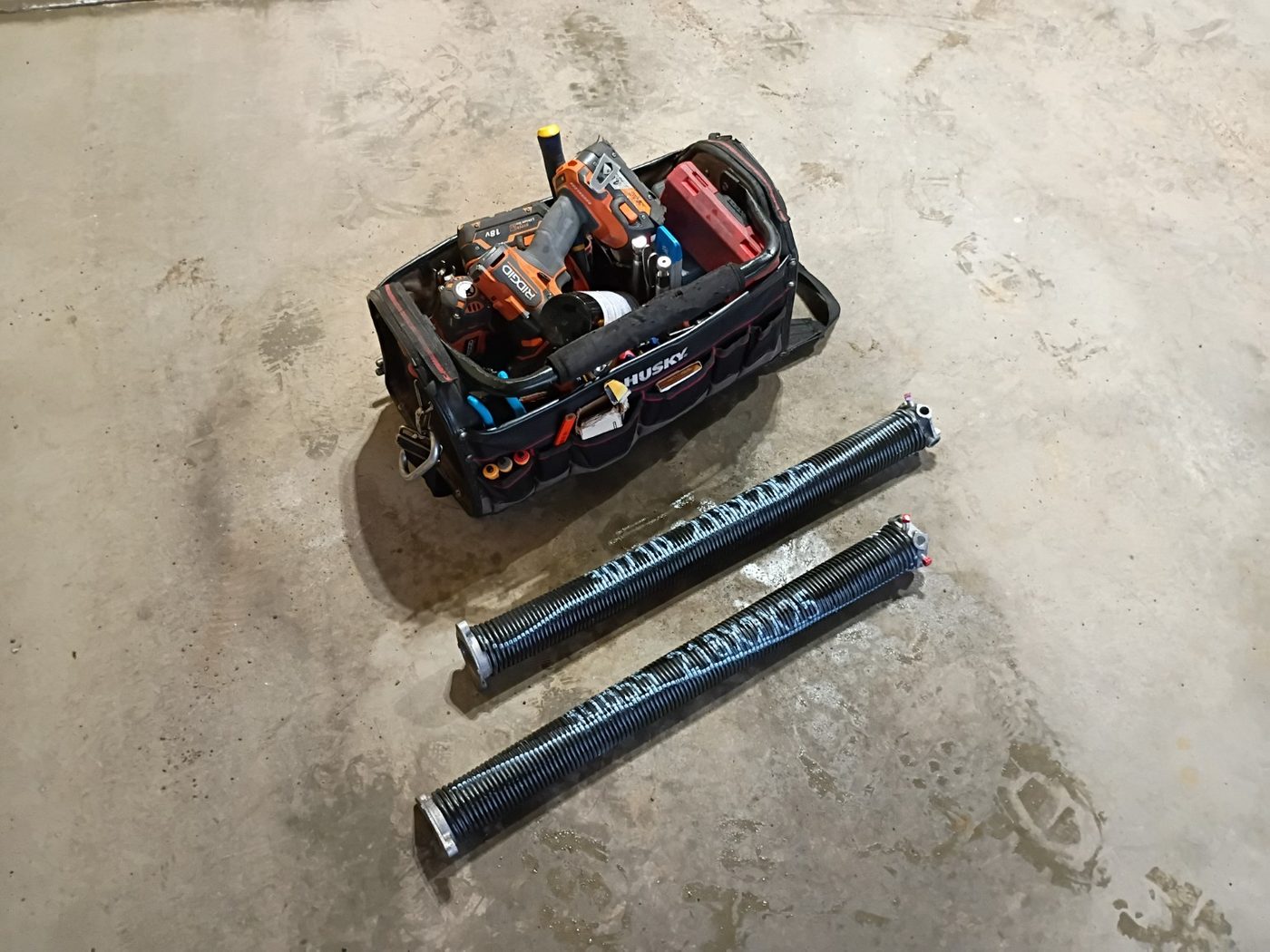
A broken garage door spring can bring one of the largest moving systems in your home to a complete stop. But waiting until a spring breaks is not the only time homeowners should think about the spring system.
At Yingling Garage Doors and Openers, we repair and replace garage door springs throughout Fox Chapel and Pittsburgh’s eastern suburbs. Not all replacement springs are the same. The correct spring must be matched to the weight and design of the door, and homeowners who use their garage frequently may benefit from a high-cycle spring option designed for a longer service life. Learn more about our garage door repair service in Fox Chapel, PA.
What Does a Garage Door Spring Actually Do?
Your garage door opener is not designed to lift the full dead weight of the garage door by itself. The spring system does most of the heavy lifting.
Torsion springs are wound under tension and counterbalance the weight of the door. With the correct springs and a properly balanced system, even a heavy garage door should move smoothly and require relatively little force from the opener.
That is also why problems elsewhere in the door can affect the entire system. Worn rollers, binding hinges, damaged bearings, cable problems or a poorly balanced door can create additional resistance. That resistance has to be overcome every time the door opens and closes.
Why Do Garage Door Springs Break?
Garage door springs are subjected to repeated stress every time the door operates. One complete opening and closing of the garage door is generally considered one cycle. Over thousands of cycles, repeated winding and unwinding eventually causes metal fatigue.
Corrosion, improper spring sizing, excessive friction and problems elsewhere in the door system can also contribute to premature failure.
For a garage used as the primary entrance to a home, those cycles can accumulate surprisingly quickly. A door operated four times per day goes through roughly 1,460 cycles per year. At six cycles per day, that is approximately 2,190 cycles every year.
Does Lubricating Garage Door Springs Help Them Last Longer?
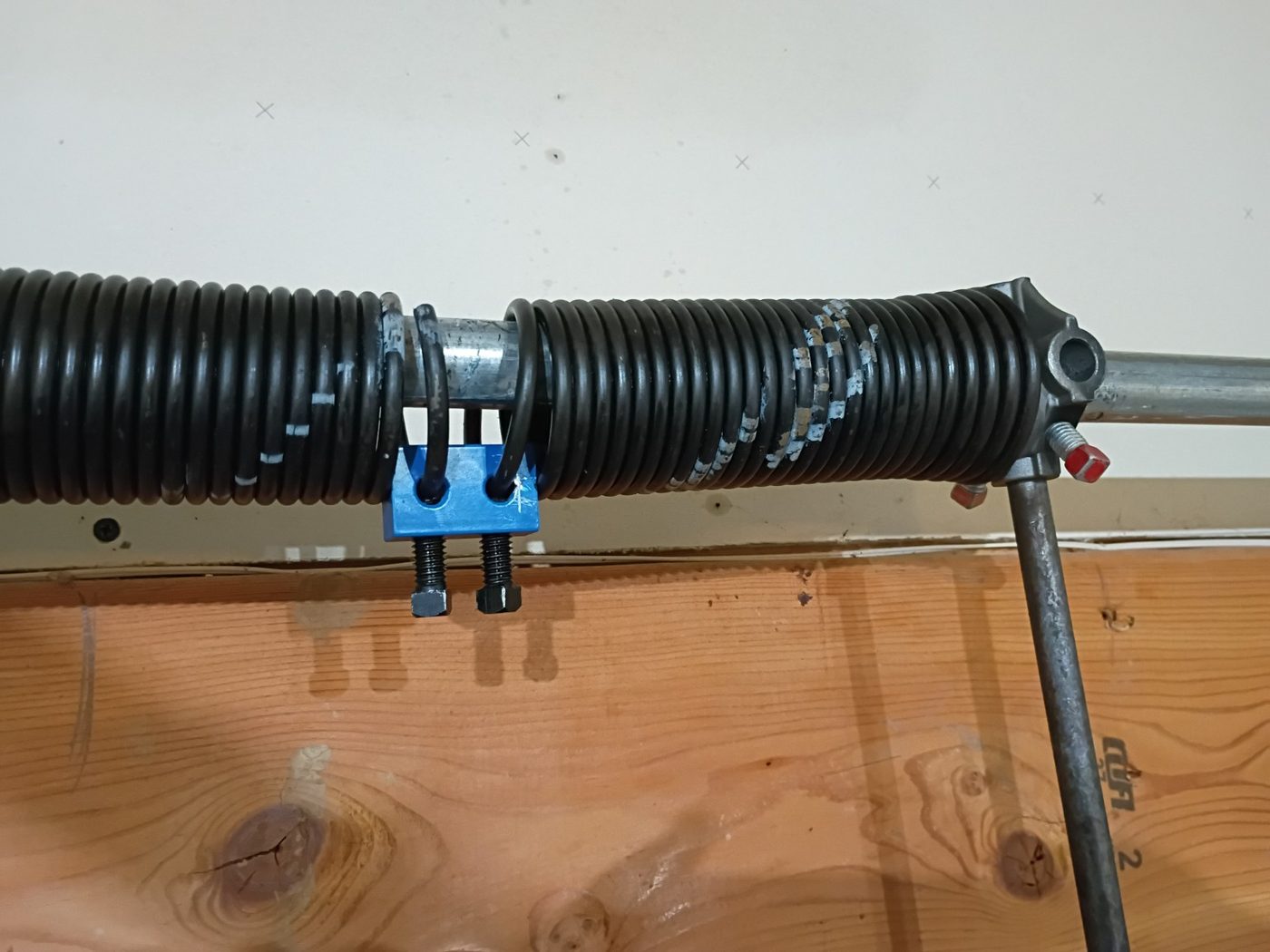
Proper lubrication is an important part of garage door maintenance. As a torsion spring winds and unwinds, its coils move against one another. An appropriate garage-door lubricant can help reduce friction, corrosion and surface wear between those coils.
Lubrication will not eliminate normal metal fatigue—the spring is still being stressed every time the door operates—but keeping the spring clean and properly lubricated can help prevent unnecessary wear and corrosion that may contribute to premature failure.
The spring is not the only component that matters. Depending on the design of the door, appropriate lubrication and maintenance of rollers, hinges and bearings and other moving components can reduce friction throughout the system. A garage door that rolls and moves freely puts less unnecessary strain on everything involved in operating it.
Your Garage Door Opener Shouldn’t Be Doing the Spring’s Job
The opener moves the door. The springs counterbalance its weight.
When a door becomes extremely heavy, binds while traveling, or has an improperly functioning spring system, the opener may be forced to work considerably harder than it should. That can contribute to premature wear on opener components and may eventually leave you with both a door problem and an opener problem.
If your garage door suddenly seems unusually heavy, jerky or slow—or your opener sounds like it is struggling—it is worth having the complete door system inspected.
What Are High-Cycle Garage Door Springs?
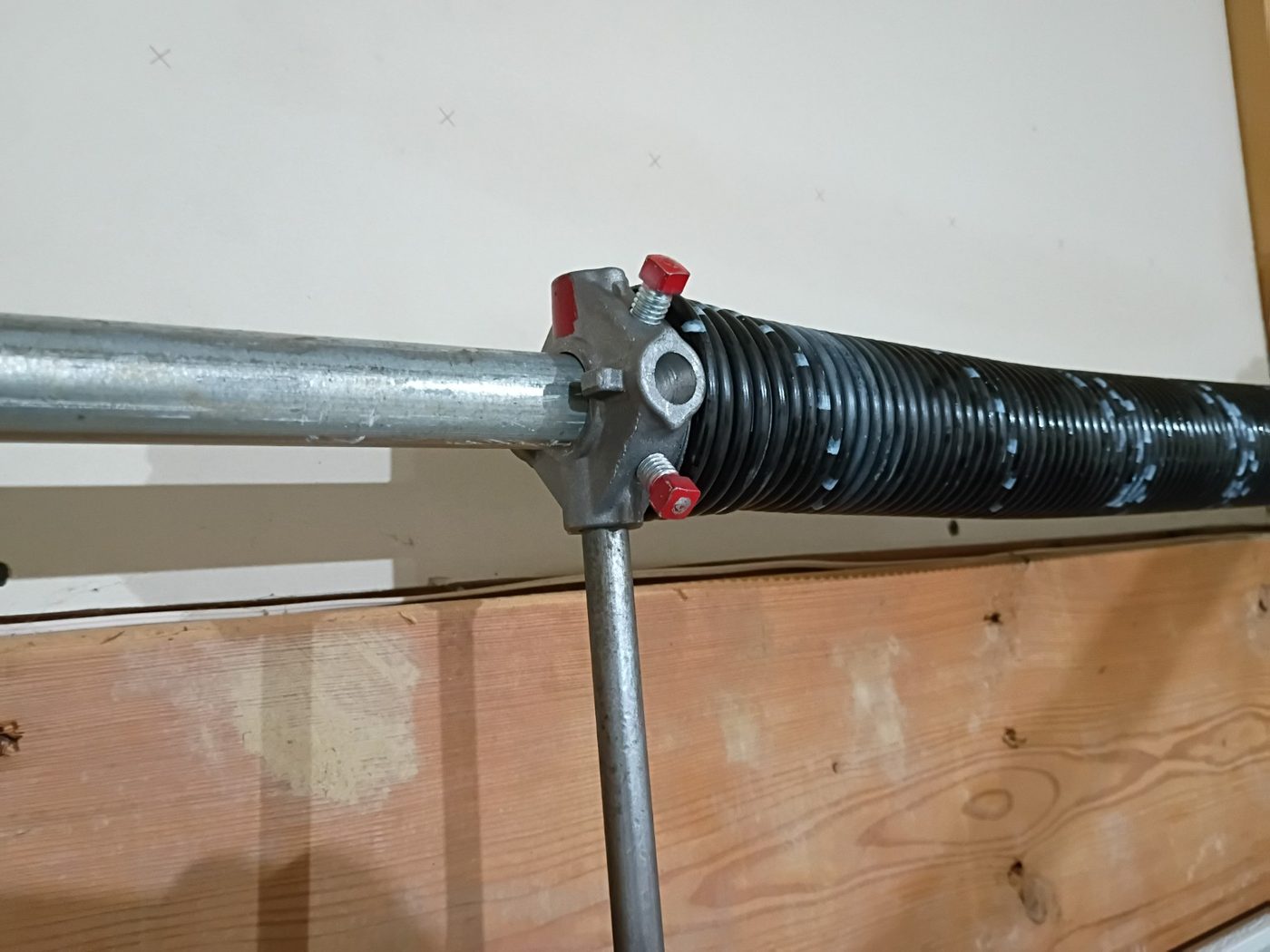
Most homeowners are not told they may have options when replacing a broken torsion spring. A properly selected high-cycle spring is designed to provide substantially more operating cycles than a conventional replacement spring.
Rather than simply installing whatever spring happens to fit on the shaft, spring selection should take into account the actual weight and characteristics of the garage door. By changing spring dimensions while maintaining the correct torque requirements for the door, it is often possible to install a spring configuration designed for a significantly higher cycle life.
The goal remains the same: a properly balanced garage door, but with springs selected to withstand more opening and closing cycles.
Are High-Cycle Springs Worth It?
Not every homeowner needs them. But they can make a lot of sense when the garage door is used frequently.
If the garage is the primary entrance to the home, the door may operate many times every day as family members leave for work, return home, run errands or use multiple vehicles. Those cycles add up.
For a lightly used garage, a conventional properly sized spring may be perfectly reasonable. For a heavily used garage, paying somewhat more for a properly engineered high-cycle spring system can be an economical choice over the long term.
When we replace torsion springs, homeowners can ask whether a high-cycle option is appropriate for their particular door and usage.
Don’t Ignore a Door That’s Getting Harder to Operate
A spring does not always give an obvious warning immediately before it breaks. Changes in how the door operates can still indicate that the system should be inspected: unusual heaviness, poor balance, jerky movement, excessive noise, an opener that sounds strained, frayed cables, worn components, or a door that will not open after a loud bang.
Garage door springs store a tremendous amount of energy. Spring replacement, winding and adjustment are not good DIY projects for an inexperienced homeowner.
Garage Door Spring Replacement in Fox Chapel, PA
Homes throughout Fox Chapel have everything from standard residential garage doors to large, heavy and custom door systems. Regardless of the style of the home, the basic principle remains the same: the spring system needs to be properly matched to the door.
At Yingling Garage Doors and Openers, we diagnose garage door problems rather than simply replacing the first broken component we see. When dealing with a spring problem, the springs can be inspected along with the cables, drums, rollers, bearings, hinges, door balance and opener operation to identify anything else contributing to excessive resistance or wear.
For additional repair information and service details, visit our Fox Chapel garage door repair page.
A Little Maintenance Can Go a Long Way
Garage doors are easy to forget about when they are working correctly, but they are heavy mechanical systems that may operate thousands of times every year. Keeping appropriate moving components lubricated, watching for changes in operation and addressing problems before the opener is struggling to move the door can help protect the entire system.
And when the time eventually comes to replace a torsion spring, it is worth asking a simple question: “Is a high-cycle spring available for my door?”